
Chimney inspection in Aurora, IL
Before the first fire of the season, before you buy a house, after a storm or a chimney fire: an inspection tells you what condition the whole system is in, and we show you the photos.
- Before the heating season
- Home purchases and sales
- After storms or chimney fires
When an inspection makes sense
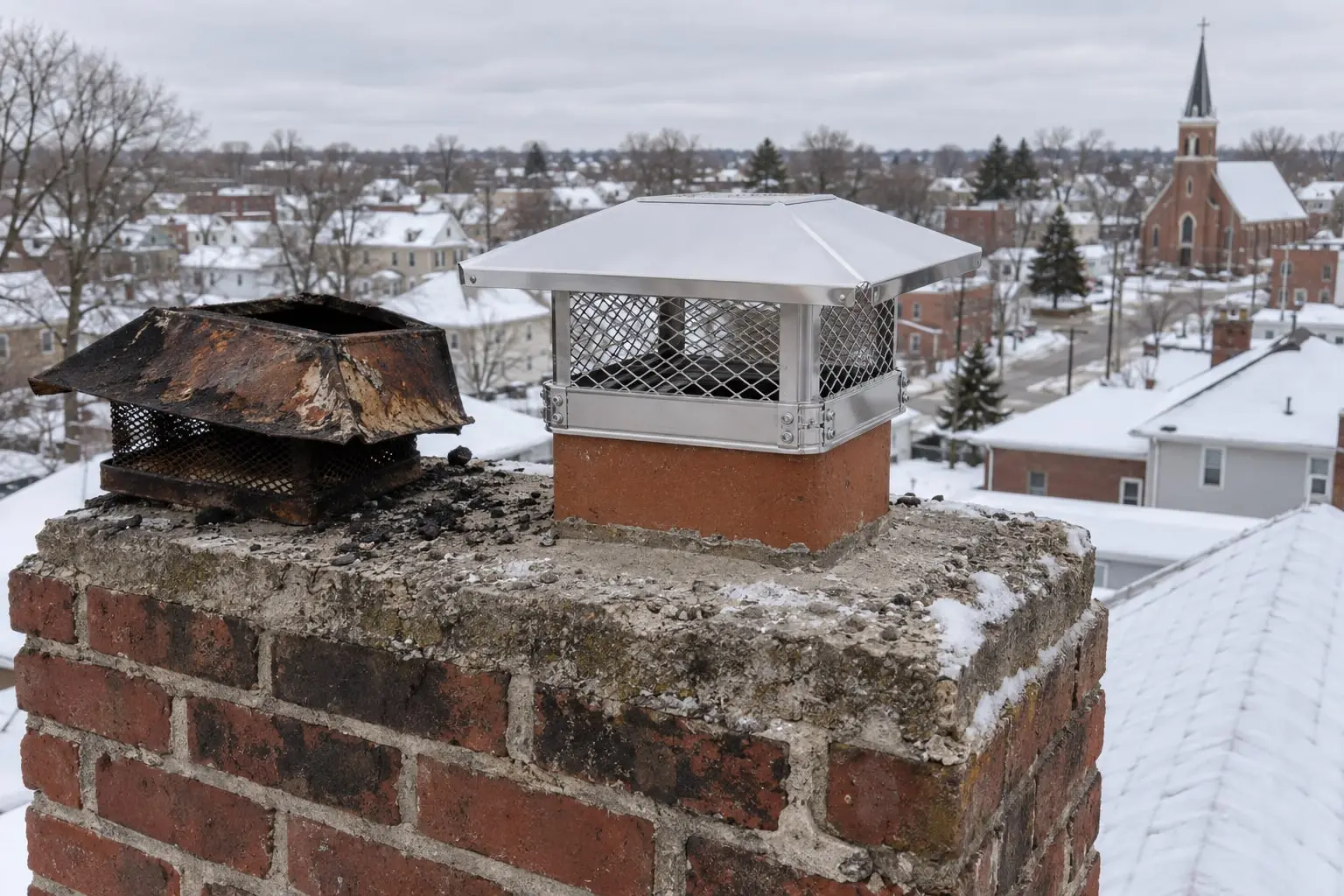
NFPA 211, the national standard for chimneys, fireplaces, vents and solid fuel appliances, calls for a yearly inspection of every chimney in use. Problems such as a rusted cap, a cracked liner or a nest in the flue develop between fires, whether you burn a lot or a little.
Beyond the yearly check, these moments call for one.
- Buying or selling a home in Aurora or the Fox Valley
- After a chimney fire, even a brief one
- After a storm, lightning or a fallen limb
- Before adding a stove or insert, or switching fuels
- When you smell smoke, see water or notice rust where you should not
- When a fireplace has sat unused for several years
What you get with Chimney inspection
Safety you can see
You light the first fire of the season knowing the flue is clear and sound, not hoping it is.
Clear findings
Photos of what we found and a plain account: what is fine, what to watch and what to fix, in that order.
A plan, not a surprise
Knowing what is coming lets you schedule repairs on your terms, before a leak or a smoky room forces the issue.
Ready for closing
For a home sale, an inspection gives the buyer and the seller the same clear picture of the chimney.
The three inspection levels
NFPA 211 defines three levels. Which one applies depends on the situation, not on a menu of options.
- Level 1: the yearly check of the readily accessible parts of the chimney, flue and appliance, when nothing about the system has changed
- Level 2: for a home sale, a change of appliance or fuel, or after a chimney fire or storm; it adds a video scan of the flue and the accessible parts of attics and crawl spaces
- Level 3: when a hidden hazard is suspected that a Level 2 cannot reach, and parts of the structure may need to be opened
What we check
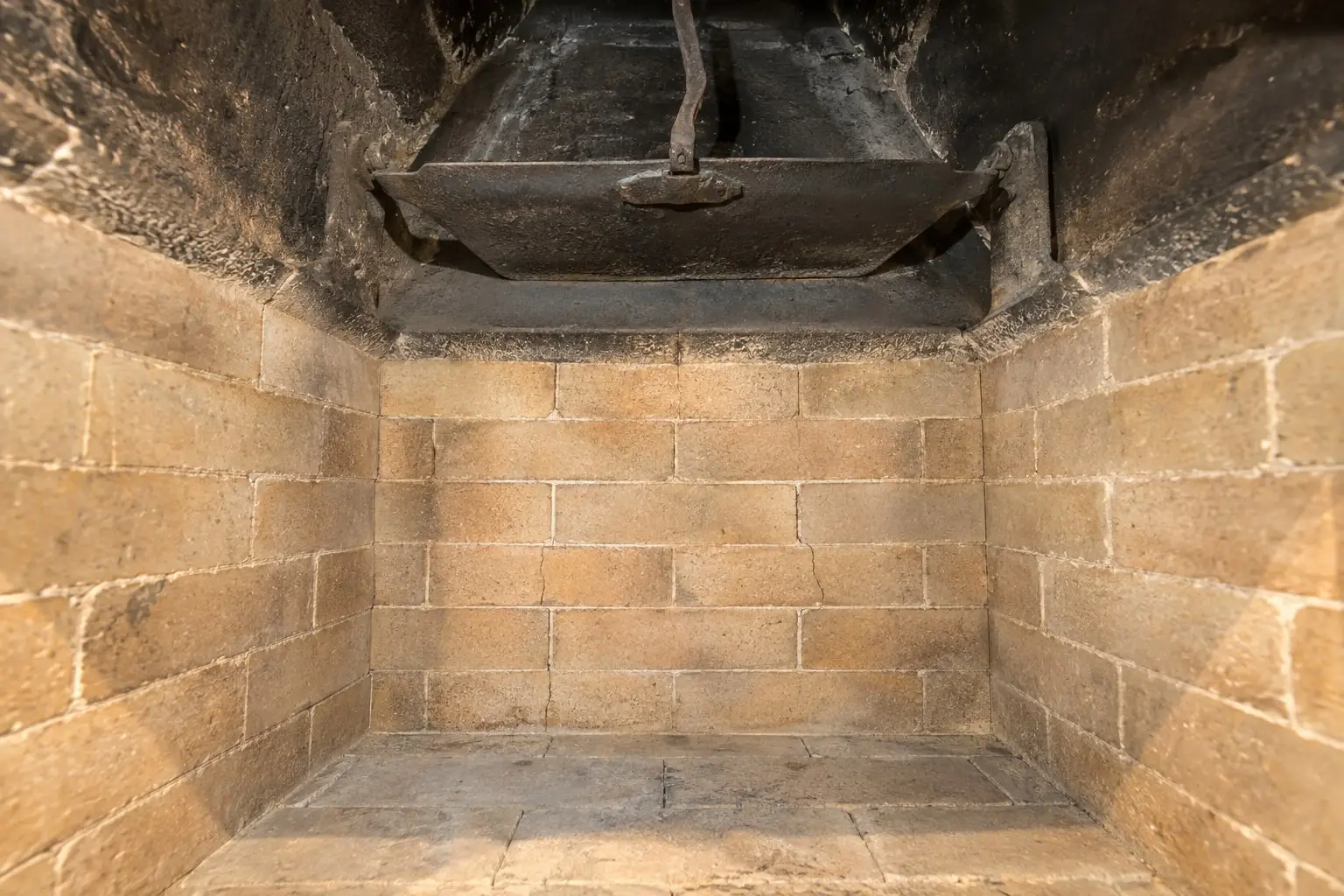
Outside: the cap or lid, the crown, the masonry or metal flue, the flashing and the clearance from the roof. Inside: the firebox, the damper, the smoke chamber and the liner. On a stove or insert: the connector pipe, the gaskets and the clearances to walls and floor.
Then we go through the photos with you, so the findings make sense before you decide anything.
Chimney inspection questions
I rarely use my fireplace. Does it still need inspecting?
Yes. Caps rust, crowns crack and animals nest in flues whether or not you light a fire. An unused chimney is often the one with a surprise in it.
Is a home inspector's report enough when buying a house?
A general home inspector usually looks at the chimney from the outside. NFPA 211 calls for a Level 2 inspection when a home changes hands, which includes a camera look inside the flue.
What is a video scan?
A small camera run through the flue that shows the liner from the inside, joint by joint. It is the only way to see cracks or gaps hidden between the top and the bottom of the chimney.
Do you inspect wood stoves and inserts?
Yes. We check the connector pipe, the door gaskets, the clearances around the unit and, on stoves that have one, the catalytic combustor, along with the chimney it vents into.
How long does an inspection take?
Most take about an hour. A Level 2 with a video scan, or a home with several flues and appliances, takes longer, and we tell you what to expect when we book.
Other services we provide
Chimney sweep
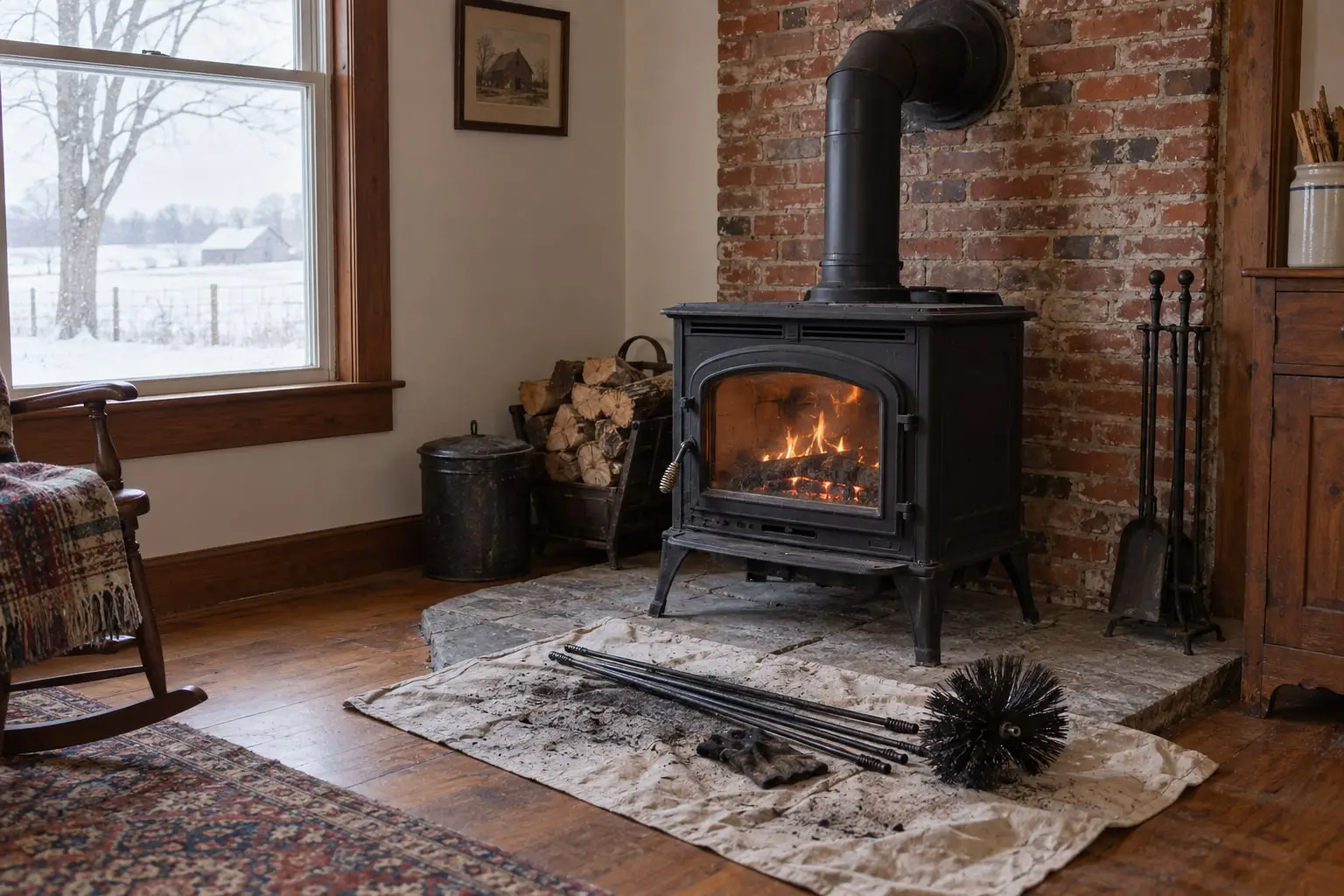
Fireplace, stove and insert flues brushed clean of creosote, connector pipe included.
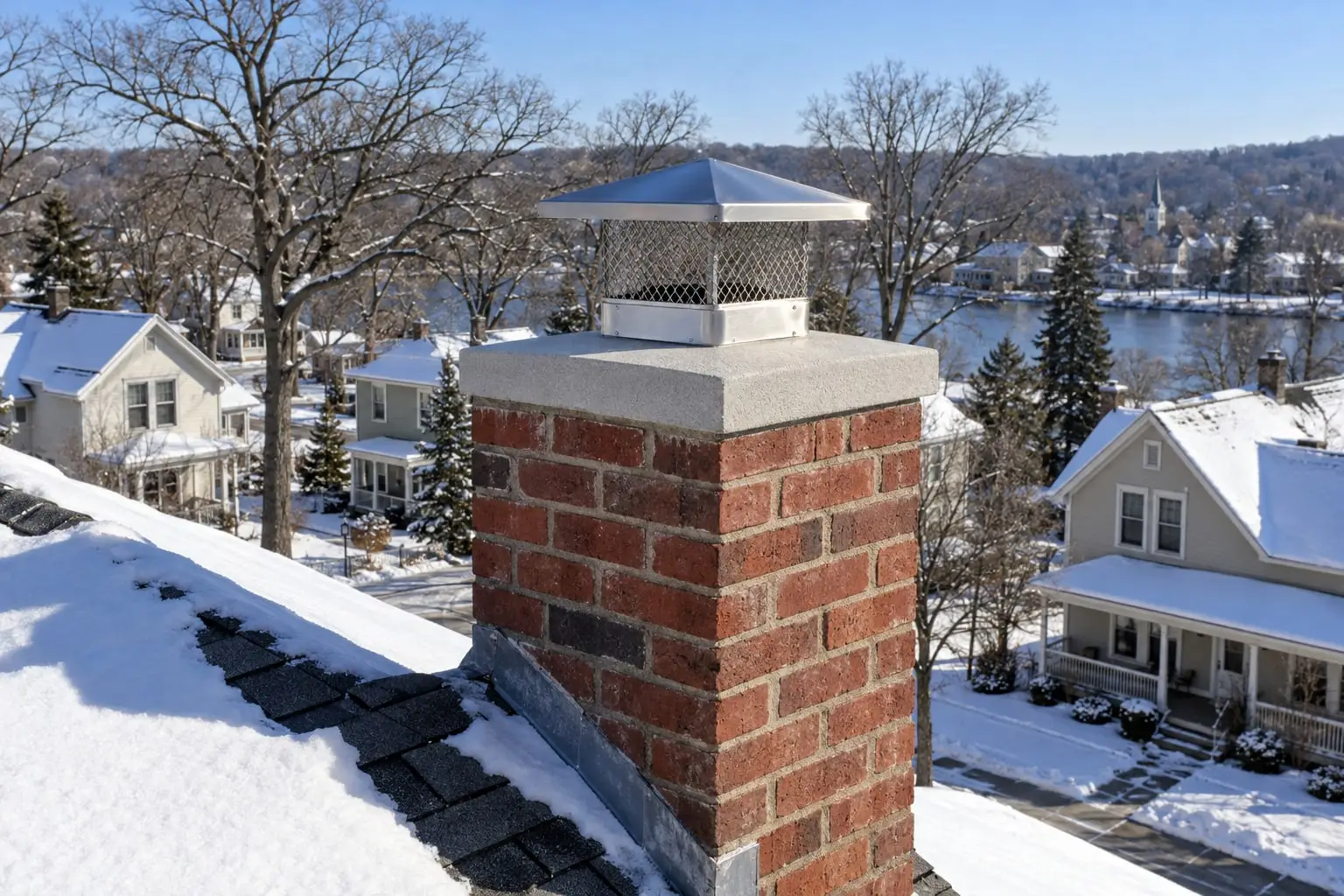
Chimney repair
Caps, flue pipes, crowns, flashing and brick repaired, so rain and frost stay out of the chimney.
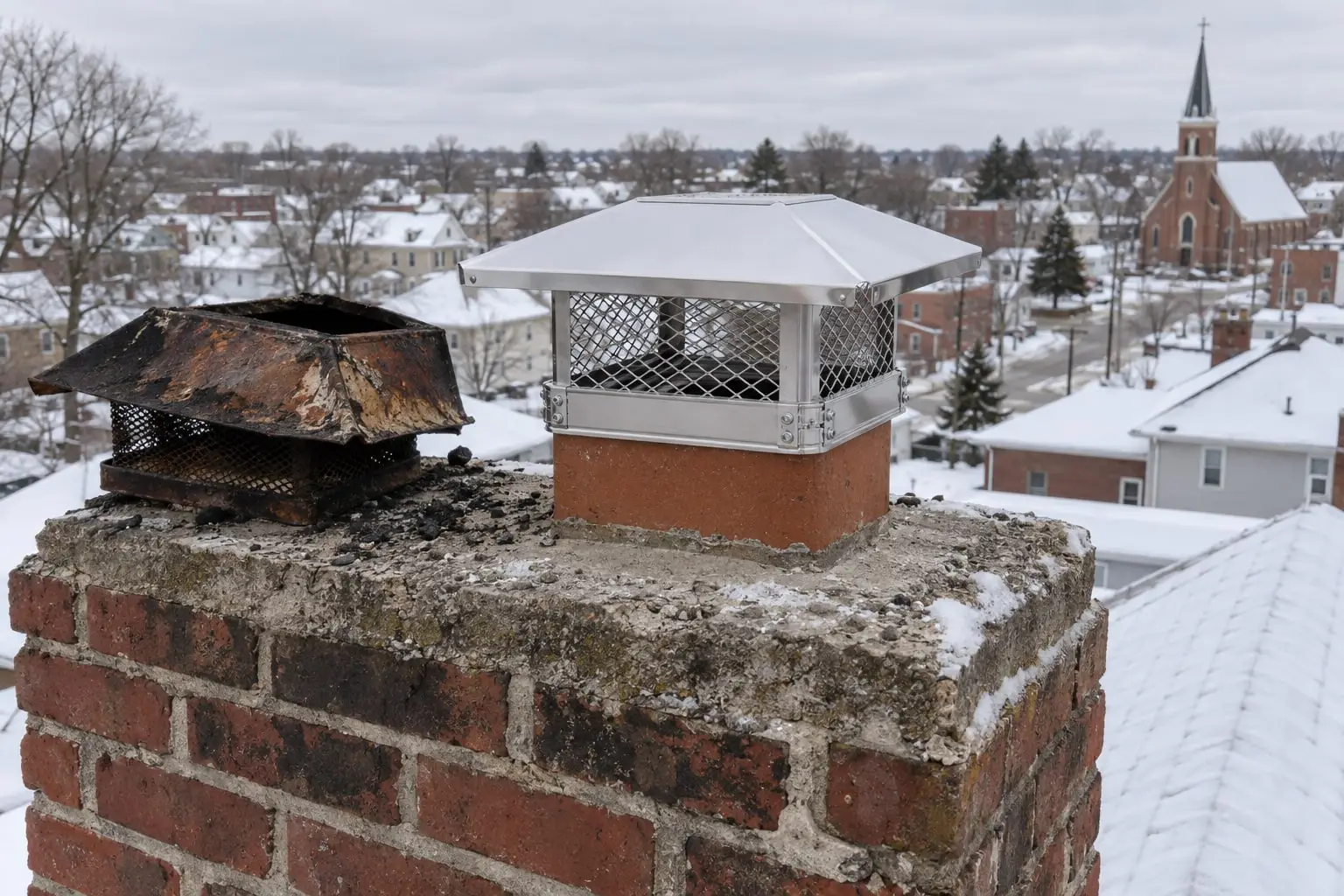
Chimney cleaning
Clogged caps, blocked vents and nests cleared, so the chimney draws the way it should.
Want to know the condition of your chimney?
Fireplace, stove or insert? Say which, leave a number, and we call you to book the visit.